After a £4.5bn sale, ATG points marketing at tours, not venues
A restructure memo about "sharing learnings across venues" turns out to be about something more obvious: who gets credit for filling the seats.

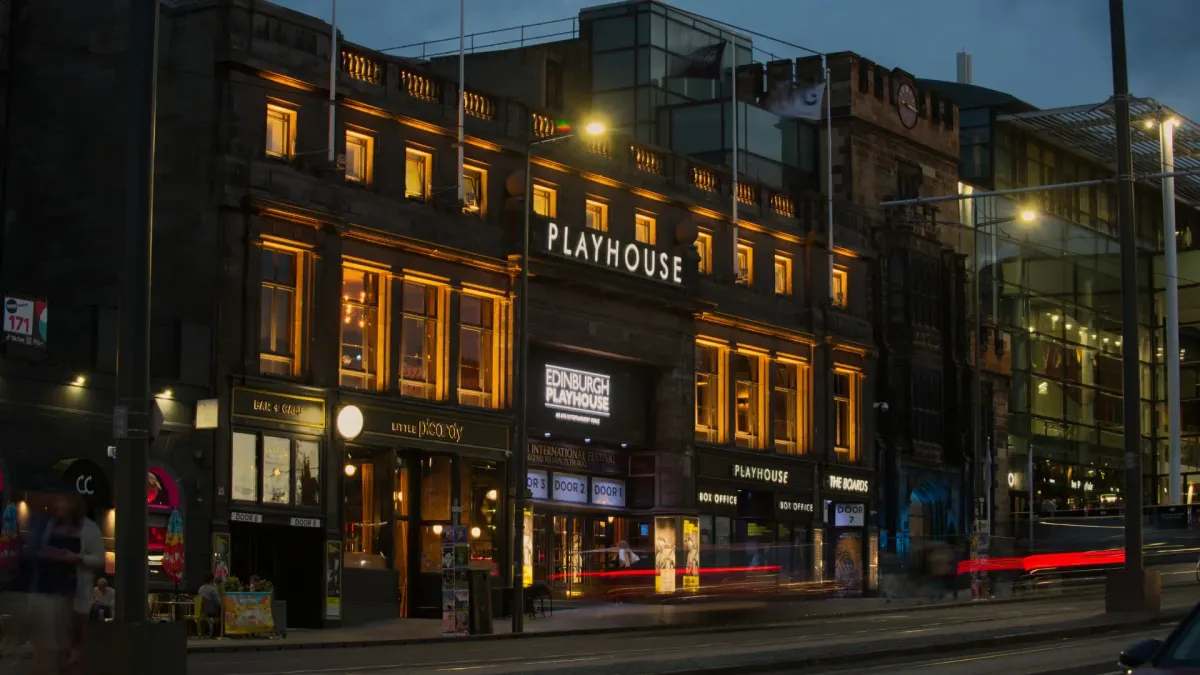
ATG Entertainment, which owns 38 regional venues across the UK including Edinburgh Playhouse, the Palace Theatre in Manchester, Swansea Arena and Bristol Hippodrome, has begun restructuring its regional marketing, community and ticketing teams, placing a "small number of roles" into consultation. The move follows ATG's acquisition in August by global events company Mari, which also owns TodayTix, in a deal the Financial Times valued at around £4.5bn.[1]
An internal email attributed to ATG's UK chief executive Fraga Ghica, reported by The Stage, spells out the actual shift behind the "small number of roles" line: marketing activity will now be organised "around tours, rather than original venues," so that national ad spend with suppliers such as Google, Meta and JCDecaux can be bought and analysed centrally across the whole touring circuit.[2] In practice, that means the marketing budget that used to sit with, say, the Bristol Hippodrome specifically now sits with whichever tour is passing through it, wherever it lands next.
For 38 buildings that have spent decades building a local identity, that is a genuine change in whose story gets told. A tour-first marketing model is efficient for ATG and its new owner: one campaign, one set of creative, one measurement dashboard, run once and dropped into forty towns. But it quietly retires the pitch that made regional theatre-going feel local in the first place: that this show is happening here, in your building, put on by people who work down the road.
That pitch has not gone away. It has simply become available to whoever is still willing to make it. Amateur and community groups already tell that story by accident, because they have no choice: the cast lives locally and the hall is the one everyone knows. As the professional touring circuit centralises, leaning harder into local specificity, a real cast member's day job, the building's actual history, a rehearsal room anyone can find, becomes a genuine point of difference rather than a limitation.