Sterts Theatre closes two years after a £1m rebuild
A Cornish community theatre rebuilt with public money has gone into liquidation. Sadly, building it was never the hard part.

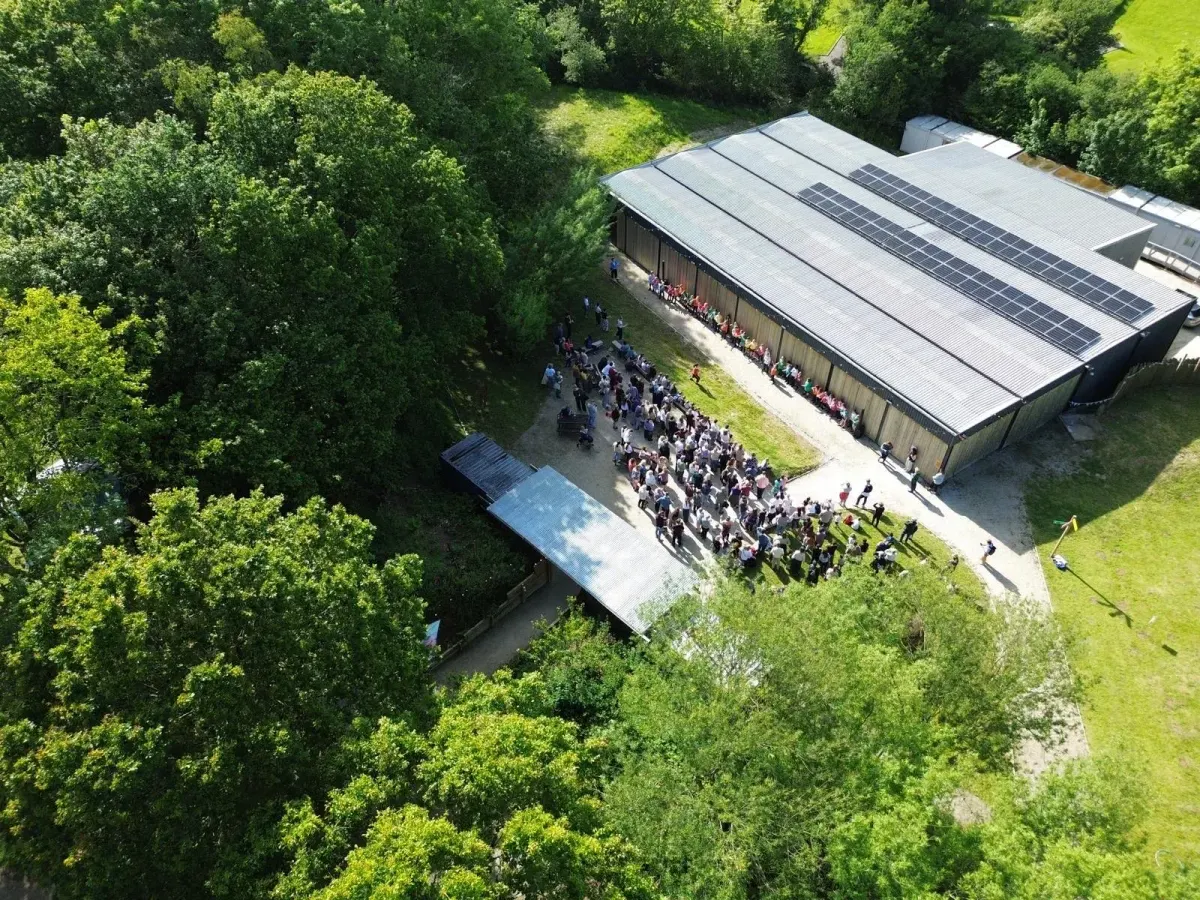
Sterts Theatre CIC, the community theatre at Upton Cross on the edge of Bodmin Moor, announced on 30 September that its board had placed it into creditors' voluntary liquidation, citing an "exceptionally challenging time for cultural and arts organisations". Founded in 1986, Sterts has been home to local dance schools, youth productions and Cornish companies for nearly four decades.
The part of the story that's missing
The closure coverage mentions in passing that the theatre had been "significantly renovated". The scale really matters. After storms and extreme heat wrecked its tented canopy in 2022, Sterts was awarded more than £1m by Cornwall Council and the government's Good Growth Fund to build a new steel-framed theatre, with a bigger space and a new orchestra pit. It reopened in July 2024. Barely two years later, the organisation running it has closed.
We don't know the full reasons, and the BBC is still waiting for comment from Sterts. It would be wrong to guess, but the shape is a familiar one across the sector. Capital funding pays for buildings. It doesn't pay to heat them, staff them, insure them or fill them, and a bigger, better space usually costs more to run than the one it replaced.
What community groups can take from it
Two things, both practical.
First, if you are eyeing a building project, cost out the next five years of running it before you apply for the money to build it. Heating, insurance, maintenance, cleaning, the hours someone has to give to manage it. Then ask where that money comes from once the grant is spent. The Creative Foundations Fund, which we covered recently, closes on 23 October, so this is a live question for plenty of groups right now.
Second, say so early when things are hard. Nicky Brice, who taught ballet at Sterts for 25 years, told the BBC that people often don't hear an organisation is in trouble "until they're closing", and then say they would have come more often. Audiences can't rescue what they don't know is at risk. A plain, specific message (what it costs to keep the doors open, and what would help) gives them the chance.