
You Don't Need to Memorise It Yet
Learn the meaning before you learn the words.
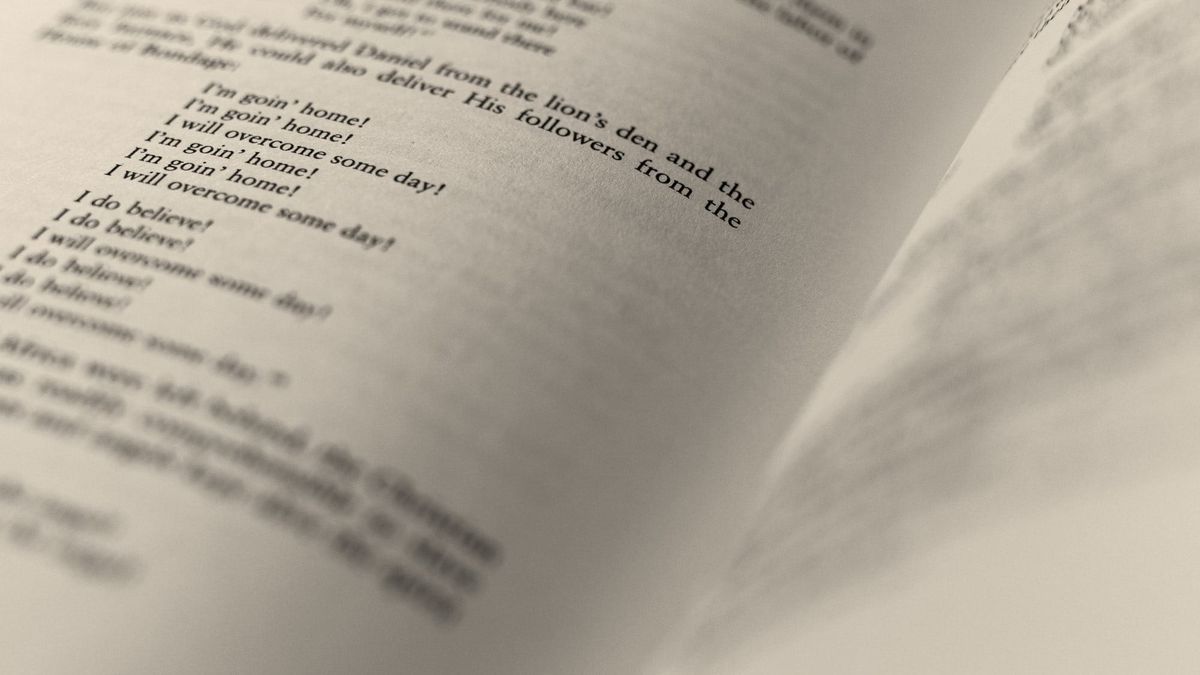
There's a peculiar panic that grips a lot of us the moment we get cast. We open the script, see the wall of words our character has to say, and immediately start trying to cram them into our heads like we're revising for an exam we sat badly twenty years ago. It feels productive. It feels like the responsible thing to do. And it's very often the thing that gets in the way of the actual acting.
Here's the trouble. When you learn lines too early, you learn them flat. You commit to a rhythm and a delivery before you know who you're saying them to, what you want from them, or what's just happened to make you walk into the room. You bolt the words to a tune, and then you spend the rest of the rehearsal process trying to unpick a tune you never meant to write. The director asks you to try the scene angry, or quiet, or desperate, and the words fight you, because they're already locked into one fixed melody.
The early weeks of rehearsal aren't there for memorising. They're there for discovering. They're for finding out that the line you thought was a throwaway is actually the most important thing your character says all night. They're for the other actor doing something unexpected that changes how you'd say your next line entirely. If your head is buried in getting the words exactly right, you miss all of it.
So give yourself permission to be off-book a little later than feels comfortable. Carry the script. Read it badly. Stumble. Let the meaning arrive before the memory does. Spend that early time asking the useful questions instead: what does this person want, who are they really talking to, and why does it matter to them right now. Mark up your script like a piece of music if it helps, little notes about pace and pause and where the weight falls. The lines will come, and when they come, they'll come attached to something real rather than to a rhythm you set on day one out of nerves.
None of this means leaving it to the night before, of course. There comes a point in every rehearsal process where the script has to be put down, and leaving that too late is its own special agony for everyone around you. But the order matters. Understand first, decide second, memorise third. Do it in that sequence and the words tend to stick far more easily anyway, because they're hung on meaning rather than floating free.
Word-perfect is not the same as good. We've all watched someone deliver every syllable flawlessly and felt absolutely nothing. And we've all watched someone fumble a line and break our hearts in the same breath. Aim for the second one. The words are the easy part. Save them for when you know what they're for.